Lithographs of Picassos Hijacked in Queens
NY Times Archive:
https://www.nytimes.com/1981/07/29/nyregion/lithographs-of-picassos-hijacked-in-queens.html
About the Archive: This is a digitized version of an article from The Times’s print archive, before the start of online publication in 1996. To preserve these articles as they originally appeared, The Times does not alter, edit or update them. Occasionally the digitization process introduces transcription errors or other problems; we are continuing to work to improve these archived versions.
A truck carrying 600 lithographic reproductions of paintings by Pablo Picasso valued by the owner at $480,000 was hijacked by two gunmen yesterday afternoon when the driver stopped at a traffic light in Queens about a mile from the Queensboro Bridge, the police said.
Besides the lithographs, each signed by Picasso’s granddaughter, Marina Picasso, the truck was also carrying $50,000 worth of cashmere sweaters destined for Bergdorf-Goodman and several cartons of women’s shoes, the police said.
Bernard Gerstel, the driver of the 20-foot-long silver van with green cab, was unhurt. Herman C. Finesod, the president of the concern that owns the Picasso reproductions, Jackie Fine Arts at 950 Third Avenue, said there were 40 copies each of 15 paintings in the truck in two sealed cardboard cartons about four feet high and two feet deep.
Mr. Finesod said the lithographs, which arrived at Kennedy International Airport on Saturday aboard an SAS flight from Nice and had been in storage until yesterday, had been insured for $144,000 or just enough to cover production costs.
He said the lithographs, most of them measuring approximately 22 by 30 inches, were to have retailed for $800 each.Mr. Finesod, the police and the owner of the truck said they had no idea whether the hijackers knew what the truck contained. But Mr. Finesod said he thought the hijackers would have ”great difficulty” in disposing of the art. ”I think an art dealer would want authentication and I don’t think he would buy it without that,” Mr. Finesod said. ”And I don’t know if people would think they were authentic if somebody was hawking them on a street corner.”
He said he thought the thieves might try to sell the lithographs to ”small dealers outside of New York.”
But Mr. Finesod said he thought the hijackers would have ”great difficulty” in disposing of the art. ”I think an art dealer would want authentication and I don’t think he would buy it without that,” Mr. Finesod said. ”And I don’t know if people would think they were authentic if somebody was hawking them on a street corner.”
He said he thought the thieves might try to sell the lithographs to ”small dealers outside of New York.” Well-Known Works
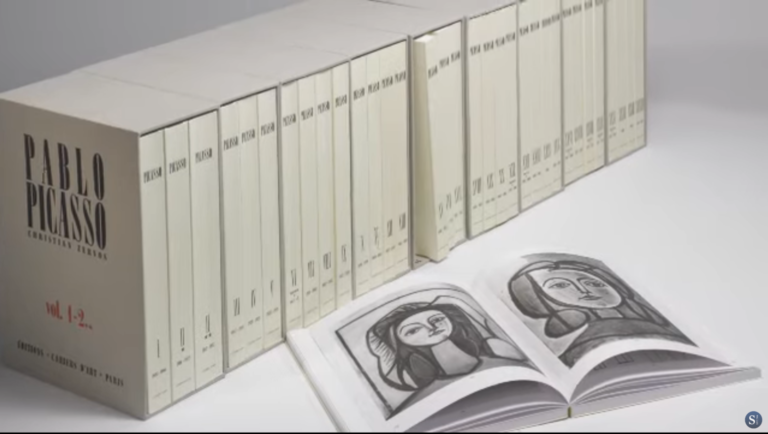
Mr. Finesod said all of the stolen lithographs were reproductions of ”very well known” paintings and included such works as ”Femme au Tablier Raye Vert et Gris,” ”Une Poupee de Poupee,” ”Tete de Femme” and ”Le Vert Galant.”
The police said the hijacking took place moments after Mr. Gerstel, 39 years old, had turned off the Long Island Expressway onto a service road and halted for a red traffic signal at Van Dam Street.
Two men with guns jumped onto the running boards of the Ford truck, the police said, climbed inside and ordered Mr. Gerstel to put his head down.
One of the gunmen drove the truck for a while, the police said. Then the vehicle was halted, the police said, and Mr. Gerstel was transferred to a green car; he was handcuffed and made to lie down in the back.
Nearly two hours after the hijacking, the gunmen let Mr. Gerstel out of the car at 702 Cozine Avenue in Brooklyn. The police said they believed three men had taken part in the hijacking, but Joseph J. Sarcona, the owner of the truck, said there had been four men. Mr. Sarcona said the driver was unable to provide any description of the hijackers except to say that they were white. No Leads Reported
The police said they had no leads to the whereabouts of the truck or the hijackers. Irwin Rosen of the Hudson Shipping Company, the concern that contracted to move the lithographs from the airport and see that they were cleared through customs, said the art works had been headed for an East Side warehouse. There the lithographs were to have been inspected by United States Customs Service officials. He said the cartons had not been opened in this country.
The works that were stolen were not prints of lithographs that Picasso himself had made, but rather were reproductions of original Picasso paintings, Mr. Finesod said.
To make the lithographs that were stolen, photographs were made of original Picasso paintings owned by the artist’s granddaughter and kept in vaults in Paris, Geneva and Antibes, the village on the French Riviera where Picasso lived for many years.
The photographs were shipped to New York where artists, under the supervision of Marcel Salinas, who had worked with Picasso on lithographs, cut the images into metal plates. Then, the art that was stolen yesterday was printed from the plates.
About 10 days ago, Mr. Finesod accompanied the 600 reproductions to Antibes. There each one was signed by Miss Picasso, partly to certify the authenticity of the reproductions, since she is the sole owner of the copyrights to the original, and partly, Mr. Finesod said, because it was thought her name would add value to the works.
The signed reproductions were repackaged and returned to New York at the weekend and Mr. Finesod said he returned separately on Monday.